In rapidly urbanizing and climate‑vulnerable regions, effective stormwater management is essential to safeguard communities, infrastructure, and ecosystems. Smart strategies combine real‑time monitoring, green infrastructure, and adaptive control to optimize runoff capture, treatment, and release.
By deploying IoT sensors, predictive analytics, and sustainable design features—such as bioswales, permeable pavements, and rain gardens—engineers can reduce flood risk, improve water quality, and enhance urban green spaces. These innovations not only mitigate peak flows and pollution but also support biodiversity and public amenities. This article highlights five cutting‑edge trends reshaping stormwater management in water resources and coastal engineering for resilient, multifunctional landscapes.
Below are some of its major features:
Real‑Time Monitoring Networks
IoT sensors and telemetry systems track flow rates, water levels, and quality metrics, enabling proactive flood alerts and system adjustments.Green Infrastructure & Bioretention
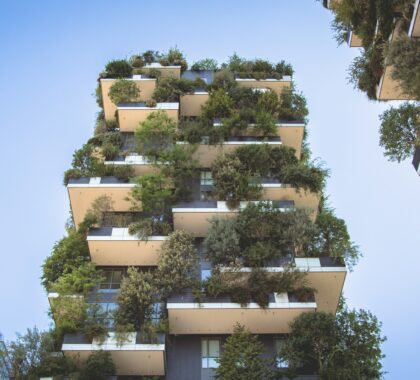
Bioswales, rain gardens, and vegetated swales capture and filter runoff naturally, reducing pollutant loads and supporting urban biodiversity.Permeable Pavements
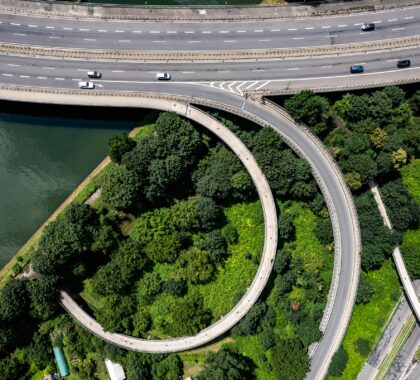
Porous asphalt, concrete, and pavers allow water infiltration on‑site, decreasing surface runoff and replenishing groundwater.Automated Control Systems
Smart gates, valves, and pump stations adjust storage and discharge dynamically based on weather forecasts and real‑time data.Rainwater Harvesting & Reuse
Integrated collection systems store rooftop and surface runoff for irrigation, toilet flushing, and non‑potable applications—lowering mains water demand.
Key Benefits in Brief
Smart stormwater management enhances flood resilience, improves water quality, and reduces infrastructure costs. By blending digital controls with green systems, stakeholders achieve scalable, sustainable solutions that deliver ecological, economic, and social value—transforming water challenges into community assets.