In today’s rapidly evolving built environment, eco‑conscious architecture is about achieving harmony between aesthetics, performance, and sustainability. It’s not just about using green materials or renewable energy—it’s about designing spaces that enhance well‑being, reduce environmental impact, and adapt to site-specific contexts.
Biophilic design, passive strategies, and smart integrations are essential tools in this balance. By combining natural elements, resource-efficient systems, and thoughtful planning, we create buildings that are both inspiring and responsible.
Below Are Some of Its Major Features:
Biophilic Integration
Incorporates natural elements—plants, daylight, and water features—to enhance occupant well‑being and indoor air quality.Passive Climate Control
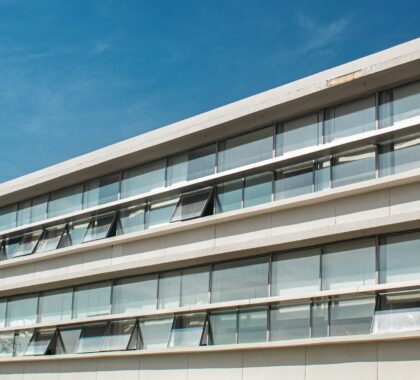
Optimizes building orientation, insulation, and shading to harness natural light and ventilation, reducing HVAC loads.Green Roofs & Living Walls
Adds vegetated surfaces to improve thermal performance, manage stormwater, and support urban biodiversity.Renewable Energy Systems
Integrates solar panels, geothermal loops, and energy‑storage solutions for on‑site clean power generation.Eco‑Friendly Material Selection
Utilizes low‑carbon, recycled, and locally sourced materials—like cross‑laminated timber and recycled steel—to minimize embodied carbon.
Key Benefits in Brief
Eco‑conscious design cuts operational costs, boosts occupant comfort, and enhances property value. By leveraging passive strategies, green infrastructure, and renewables, stakeholders achieve healthier indoor environments, lower carbon footprints, and faster ROI—delivering sustainable, resilient buildings for today and tomorrow.